What Every Homeowner Should Know About Hiring a Retaining Wall Installer in Salt Lake City
Choosing the right retaining wall installer for a Salt Lake City, UT, property is one of the most important decisions a homeowner can make for long-term landscape stability. The terrain throughout the Salt Lake Valley presents conditions that can challenge even a well-designed wall, making material selection and construction technique more than just aesthetic choices.
Why Salt Lake City Soil and Climate Matter for Retaining Walls
Much of the Salt Lake Valley sits on ancient Lake Bonneville sediment, a fine-grained, silty clay that expands when wet and contracts as it dries. This movement creates significant lateral pressure against any structure holding soil in place. Winter temperatures in the area also cycle repeatedly through freezing and thawing, pushing water trapped behind a wall outward.
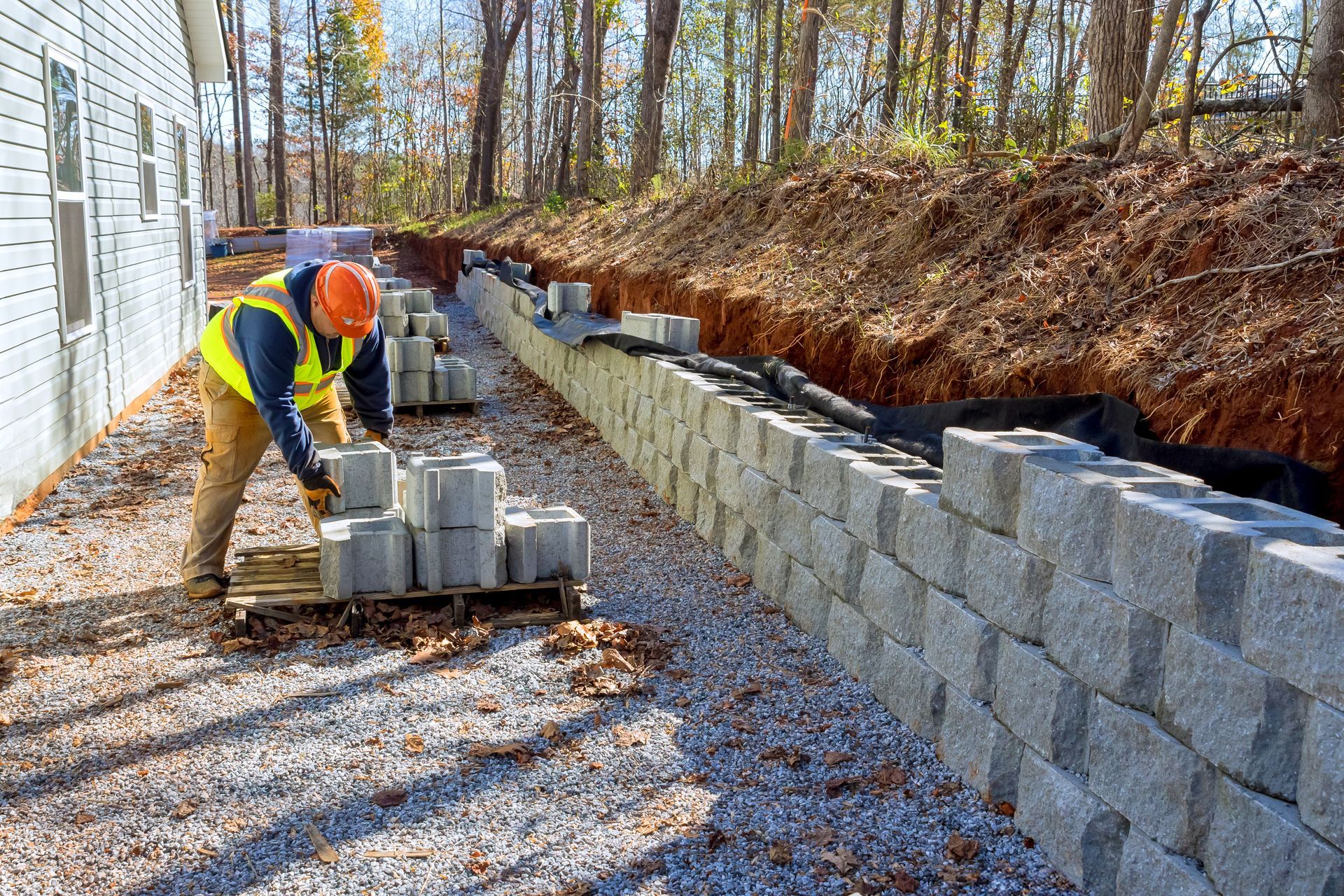
A skilled retaining wall installer will address both forces by excavating below frost depth, removing clay, and replacing it with compacted gravel before construction begins. Perforated drain pipe placed behind the wall channels water away and prevents the hydrostatic pressure buildup that causes walls to bow, crack, or lean. Homeowners should ask any prospective contractor how they handle drainage and freeze-thaw preparation before signing a contract.
Common Retaining Wall Materials and How Each Performs Locally
Material choice is one of the most consequential decisions in retaining wall construction for the Salt Lake City, UT, area. Each option carries different strengths when exposed to Utah's clay soils and freeze-thaw cycles.
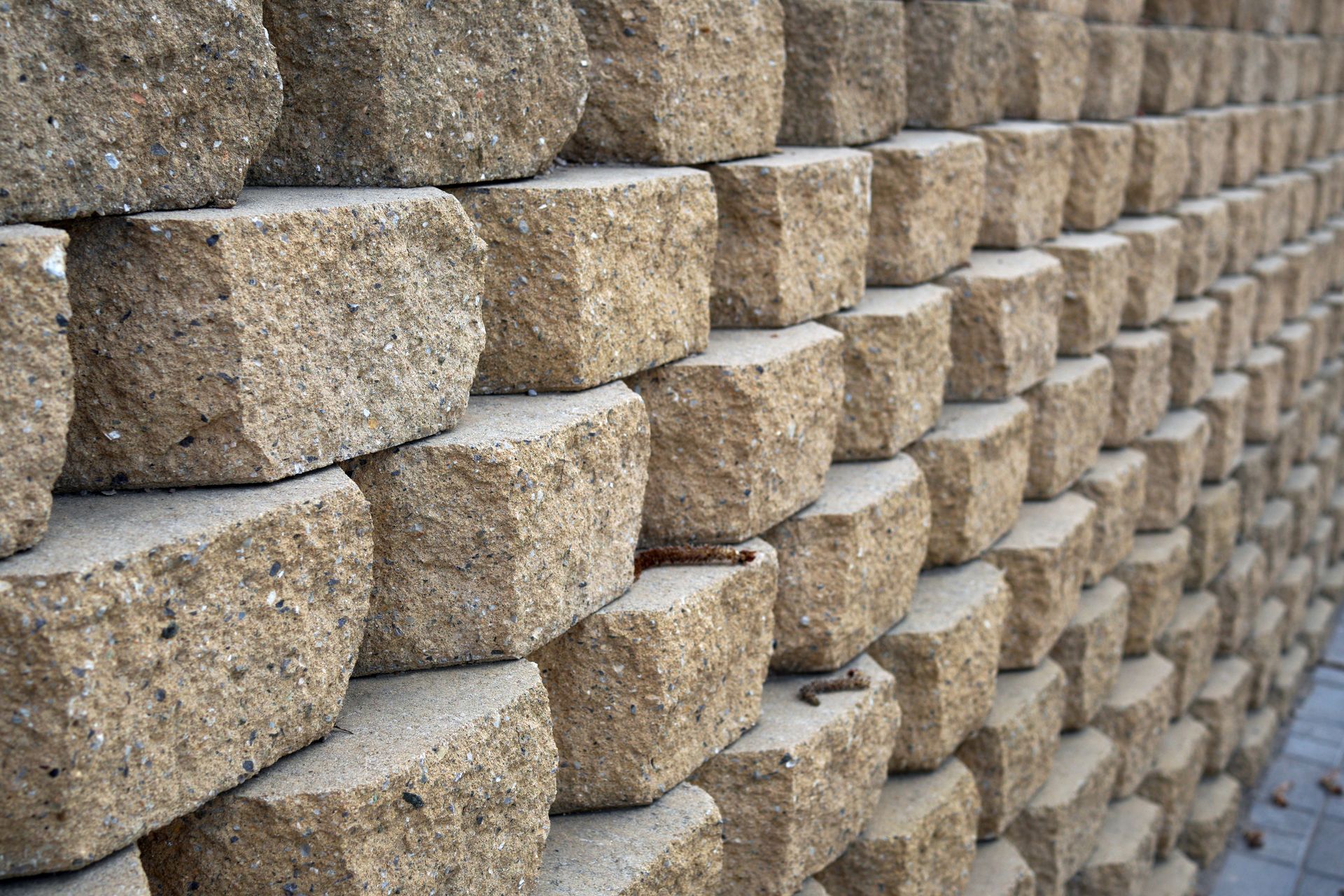
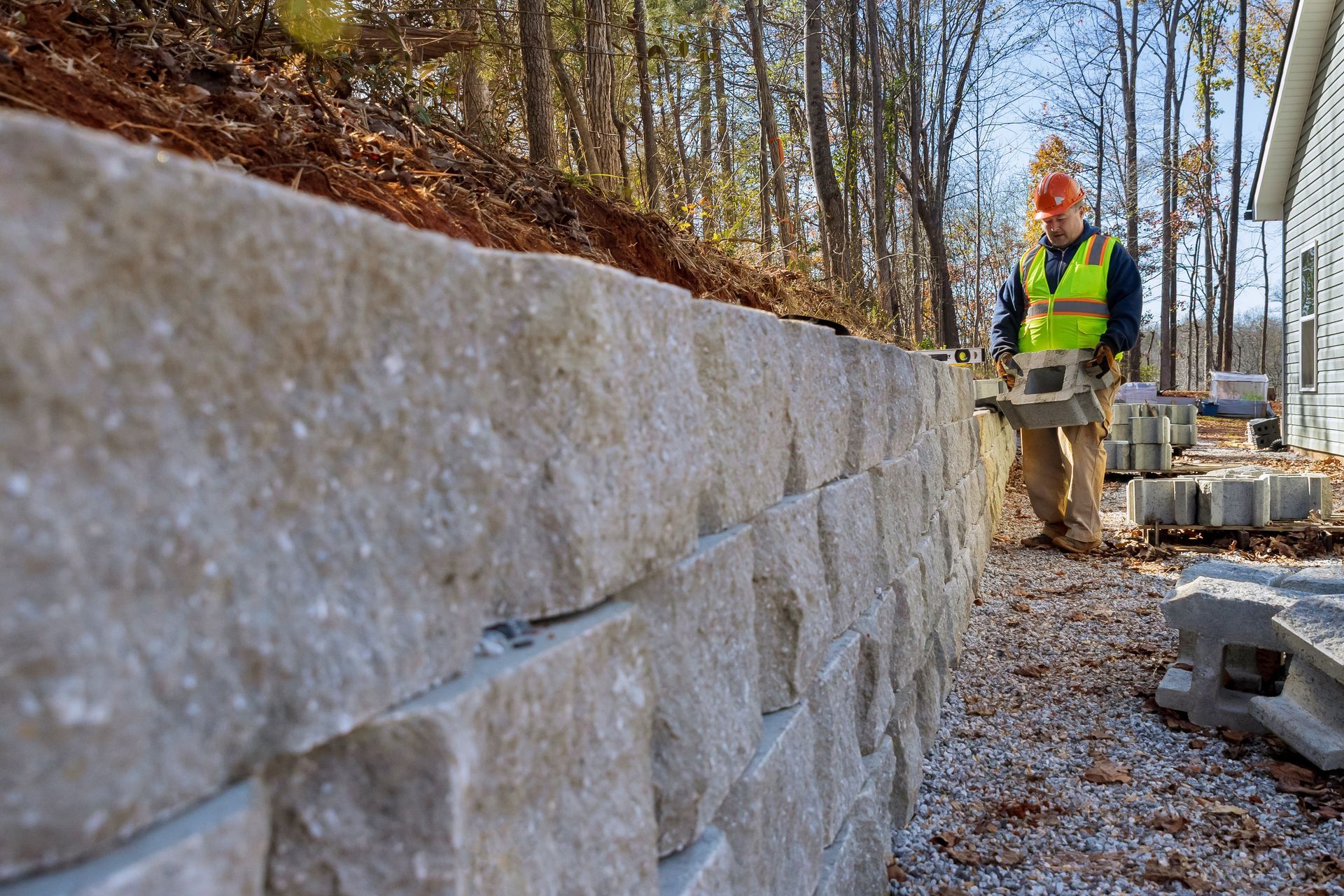
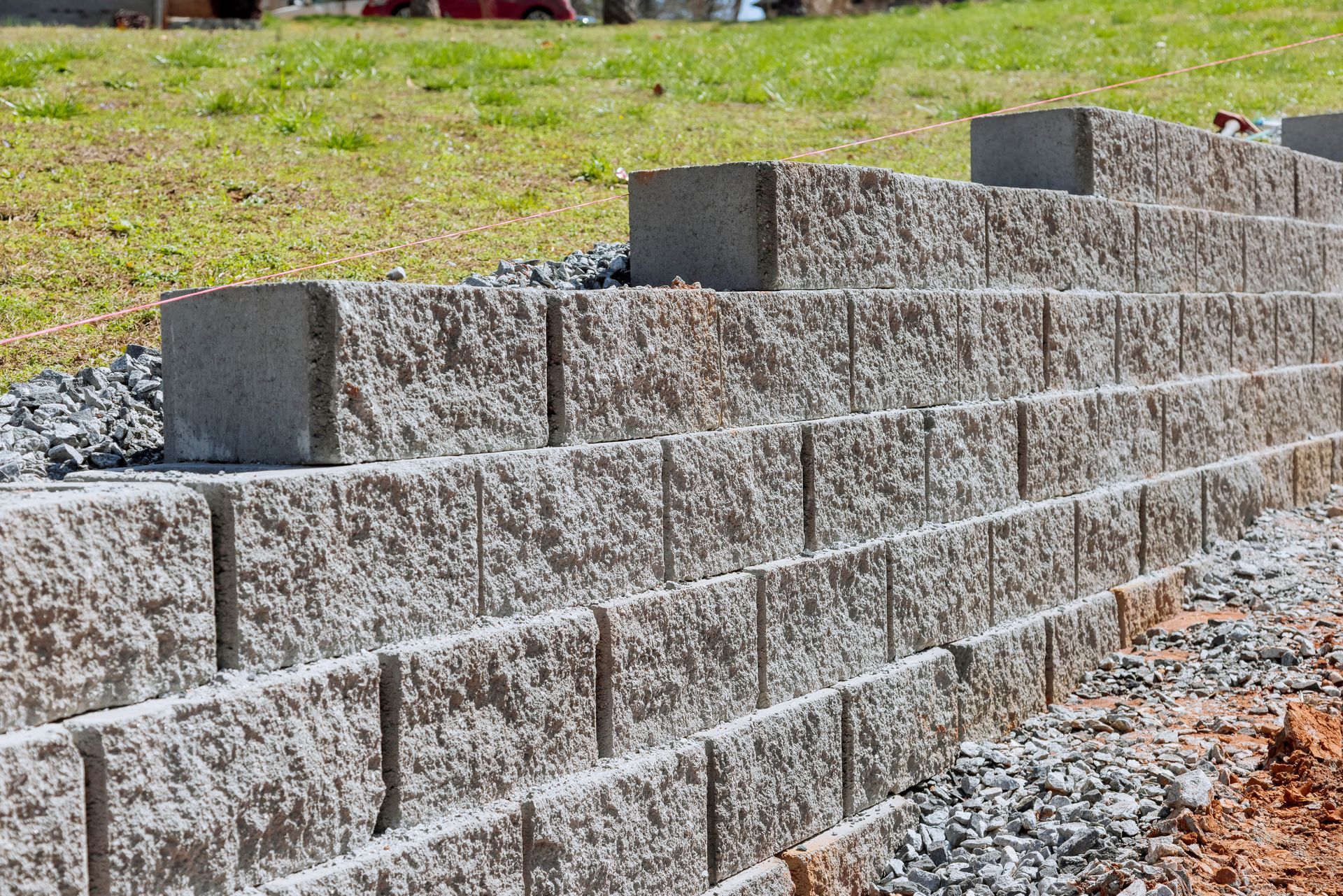
Segmental Concrete Block: Interlocking block systems handle freeze-thaw movement well because individual units can flex slightly rather than crack. These walls offer a clean, uniform appearance and are widely used across residential properties.
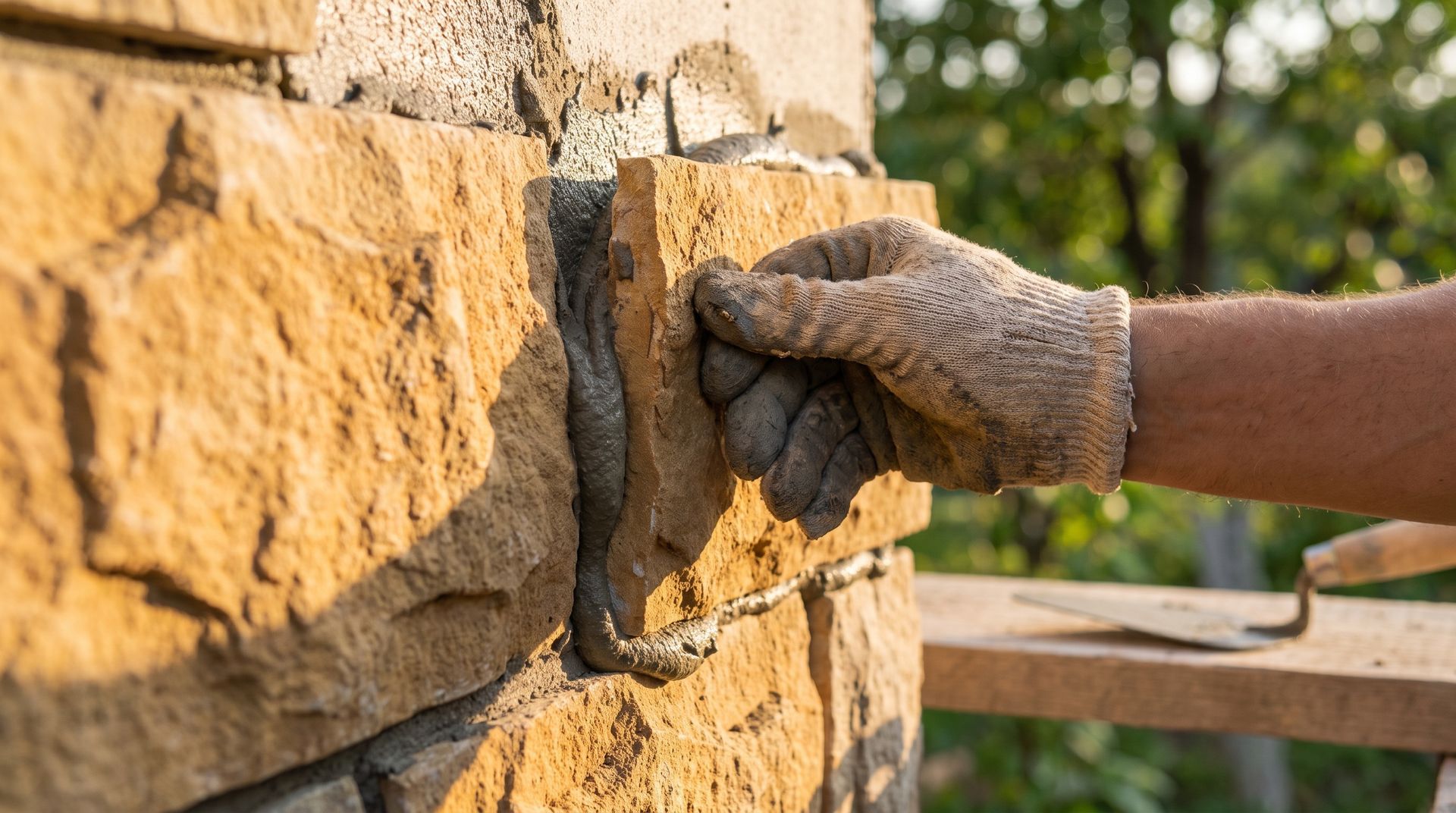
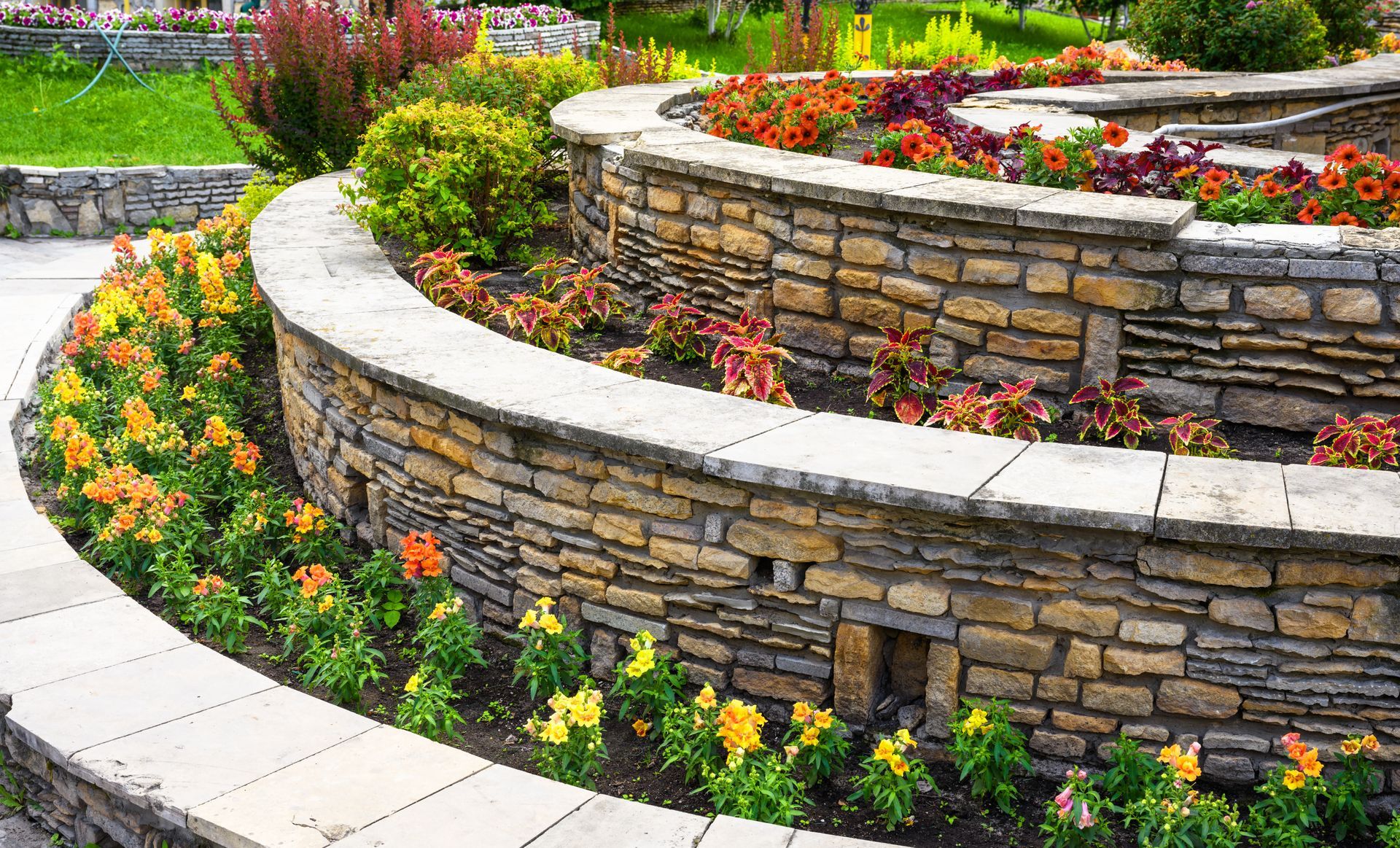
Natural Stone and Boulders: Boulder walls suit foothills terrain and carry significant structural loads. Their mass provides stability without heavy reliance on mortar, and they age naturally in the landscape.
Poured Concrete: Reinforced concrete offers the highest structural strength for tall or load-bearing walls. Proper drainage and adequate reinforcement are essential for performance under freeze-thaw stress.
Timber (Treated Wood): Timber is a shorter-term solution in Utah's moist soil conditions. Moisture retention accelerates decay, making it less suitable where longevity is the priority.
Selecting the right material depends on wall height, slope angle, soil conditions, and visual goals. For walls above four feet in Salt Lake County, local codes may also require an engineering review before construction proceeds. Learn more about what to look for in a reliable retaining wall builder serving Salt Lake City.
An experienced retaining wall installer will evaluate all of these factors on-site rather than recommending a material without first assessing the land. For additional questions about the construction process, the Legacy Pavers FAQ page covers common homeowner concerns.
Ready to Plan Your Retaining Wall Project in Salt Lake City?
Spanish Fork-based Legacy Pavers LLC proudly serves Salt Lake City, UT, and surrounding communities with experienced retaining wall installer services for residential and commercial properties. Call
(801) 800-4427 to discuss your project and request a free on-site design consultation. You can also connect through the
Legacy Pavers LLC Google profile to read reviews and reach the team.